
Urinary Incontinence
Christine E. Waldron, D.O. • February 1, 2020
Urinary incontinence, also known leakage of urine, is an embarrassing problem that affects millions of women. It occurs in women of all ages. There is no need to live with urinary leakage because effective treatments are available.
Types
There are several different types of incontinence. The two most common in women are stress incontinence and urge incontinence. Stress urinary incontinence is the loss of urine when a women coughs, sneezes, laughs or exercises. It is caused by a weakening of the tissues that support the bladder or the muscles of the urethra. Urge incontinence is the leakage of urine caused by overactive bladder muscles that contract too often or problems with the nerves that send signals to the bladder. People with a combination of both stress and urge incontinence are said to have mixed incontinence. In addition to leaking, some women may experience urinary urgency, frequency, pain or increased voiding during hours of sleep.
Causes
Incontinence may be caused by a variety of different factors such as urinary tract infections; medications; bladder growths; fistula formation; pelvic support problems or neuromuscular problems.
Diagnosis
Incontinence can be diagnosed by several methods. You may start by discussing your symptoms with your provider and undergo a pelvic exam in the office. Your physician may ask you to keep a voiding diary for a few days and to return for urodynamic testing. Urodynamic testing is an office procedure in which the bladder is filled through a catheter to see how much urine your bladder can hold and what makes you leak.
Treatment
There are many options for treatment such as lifestyle changes, bladder training, physical therapy, a vaginal pessary, medications and surgery. Some of the lifestyles changes that may help include weight loss, avoiding constipation, limiting caffeine and alcohol and smoking cessation. Bladder training can help you learn to go to the bathroom less frequently by retraining you bladder to hold more urine. The goal is to increase the time between voiding to a normal interval, every 3-4 hours. Kegel exercises tone your pelvic muscles. They can be done at home or with a physical therapist using a technique called biofeedback. A pessary is a silicone devise that can be placed in the vagina to help pelvic support. Your provider and fit you for the appropriate size and shape. There are several medications that help control unwanted bladder contractions associated with urge incontinence. Your provider can help you decide which medication would work best for you. Surgical options are also available and offer the highest cure rate for stress incontinence. Often treatments are most effective when used in combination.
Summary
Although leaking urine can be difficult to talk about, it is not normal at any age and is often treatable with simple measures. Talking about it with your healthcare provider is the first step in getting help for this problem that is affecting your lifestyle.
Although leaking urine can be difficult to talk about, it is not normal at any age and is often treatable with simple measures. Talking about it with your healthcare provider is the first step in getting help for this problem that is affecting your lifestyle.

Brittany Bonadio, MD

Wildfire smoke and pregnancy – EPA recommendations

Congratulations to Our Top Doctors

Happy Valentine's Day from the WHCNE family! May your day be filled with love, laughter, and happiness.

Featured moms and daughters for the annual Mommy/Daughter Day at Women's Healthcare of New England

We are pleased to let you know that two of our APRNs — Laury Berkwitt and Catherine Levins— have taken a keen interest in offering hormone replacement management. If you are experiencing symptoms of menopause or hormone changes, they are available to evaluate your needs and, if appropriate, prescribe hormone therapy (HRT) tailored to your care plan.

Join us for Octoberfest 2025! Saturday September 20th 12PM-3PM.

Our WHCNE Practice Manager and Physicians enjoyed a fun filled day at the Waypointe Summer Carnival sharing educational materials, eating delicious food, and enjoying the community.

Congratulations to our top docs!
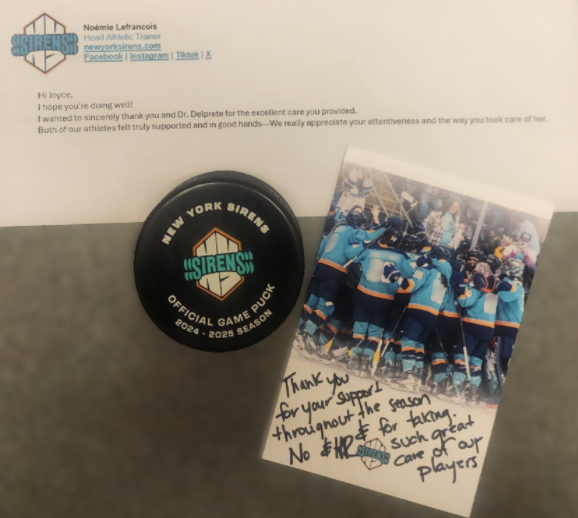
We received this thank you note from the New York Sirens and we just had to share.